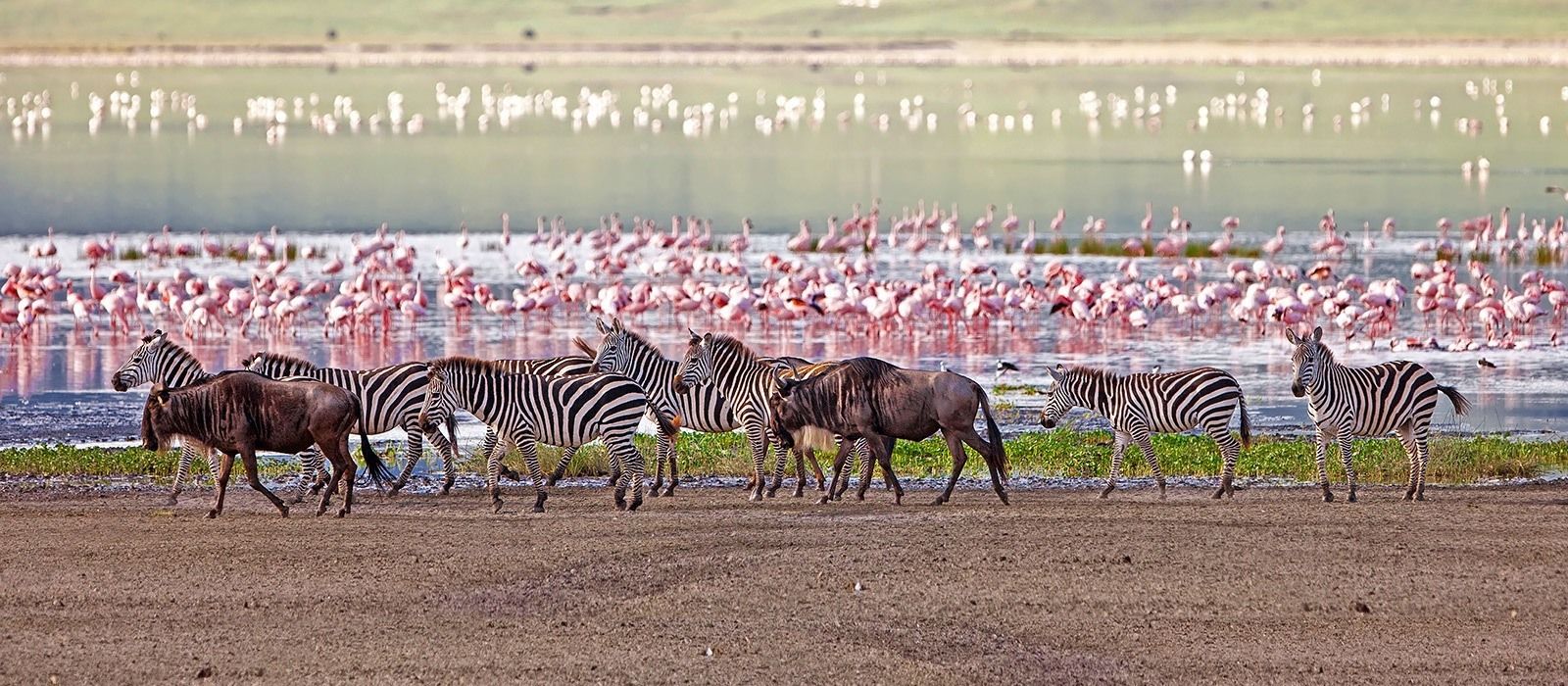
Lake Manyara
August 30, 2016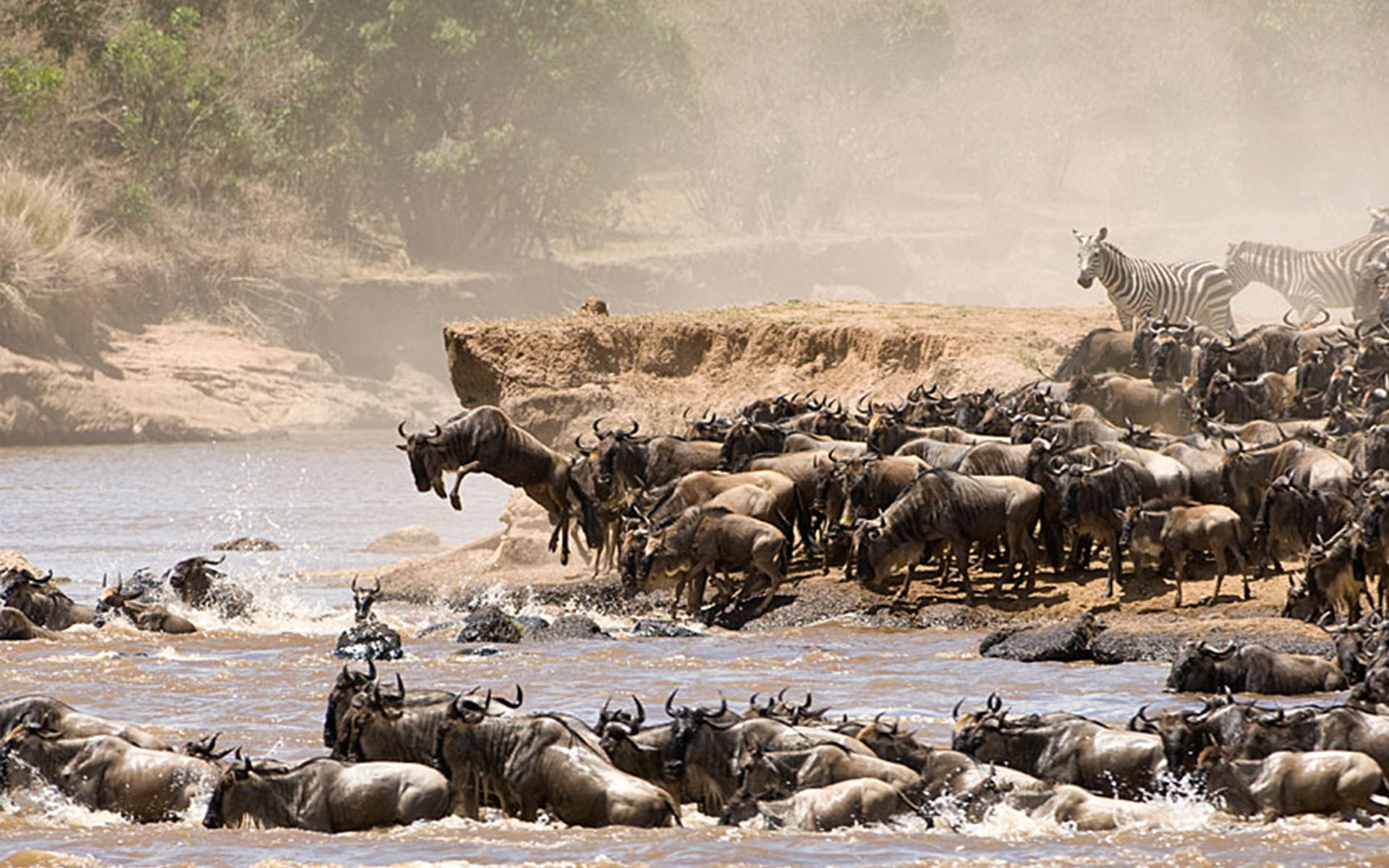
Serengeti National Park
August 30, 2016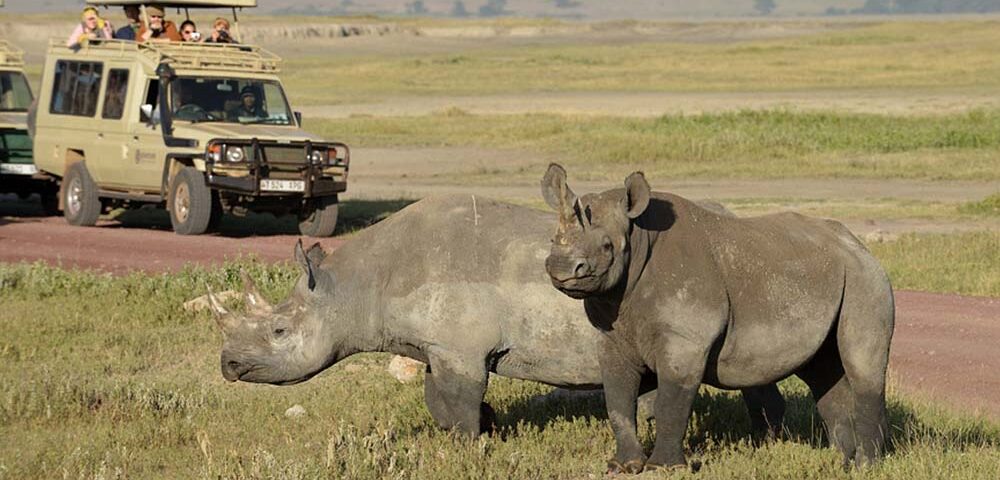
The Ngorongoro Conservation Area (NCA) is a conservation area and a UNESCO World Heritage Site located 180 km (110 mi) west of Arusha in the Crater Highlands area of Tanzania. The area is named after Ngorongoro Crater, a large volcanic caldera within the area. The conservation area is administered by the Ngorongoro Conservation Area Authority, an arm of the Tanzanian government, and its boundaries follow the boundary of the Ngorongoro Division of the Arusha Region.
Ngorongoro was named by the Maasai as El-Nkoronkoro meaning Gift of Life. This was because they were migrating from Central Africa for a permanent settlement. That is why the Ngorongoro Conservation Area is mostly occupied by the Maasai. Based on fossil evidence found at the Olduvai Gorge, various hominid species have occupied the area for 3 million years.
Hunter-gatherers were replaced by pastoralists a few thousand years ago. The Mbulu came to the area about 2,000 years ago and were joined by the Datooga around the year 1700. Both groups were driven from the area by the Maasai in the 1800s.
Ngorongoro Crater
The main feature of the Ngorongoro Conservation Authority is the Ngorongoro Crater, the world's largest inactive, intact, and unfilled volcanic caldera. The crater, which formed when a large volcano exploded and collapsed on itself two to three million years ago, is 610 metres (2,000 feet) deep and its floor covers 260 square kilometres (100 square miles). Estimates of the height of the original volcano range from 4,500 to 5,800 metres (14,800 to 19,000 feet) high. The elevation of the crater floor is 1,800 metres (5,900 feet) above sea level. The Crater was voted by Seven Natural Wonders as one of the Seven Natural Wonders of Africa in Arusha, Tanzania in February 2013.
The crater highlands on the side facing the easterly trade winds receives 800 to 1,200 millimetres (31 to 47 inches) of rain a year and are covered largely in montane forest. The less-steep west wall receives only 400 to 600 millimetres (16 to 24 inches) and is grassland and bushland dotted with Euphorbia bussei (es) trees. The crater floor is mostly open grassland with two small wooded areas dominated by Acacia xanthophloea.
Oldupai Gorge
The Ngorongoro Conservation Area also protects Oldupai Gorge, situated in the plains area. It is considered to be the seat of humanity after the discovery of the earliest known specimens of the human genus, Homo habilis as well as early hominidae, such as Paranthropus boisei.
The Oldupai Gorge is a steep-sided ravine in the Great Rift Valley, which stretches along eastern Africa. Oldupai is in the eastern Serengeti Plains in northern Tanzania and is about 50 kilometres (31 mi) long. It lies in the rain shadow of the Ngorongoro highlands and is the driest part of the region. The gorge is named after 'Oldupaai', the Maasai word for the wild sisal plant, Sansevieria ehrenbergii.
Wildlife
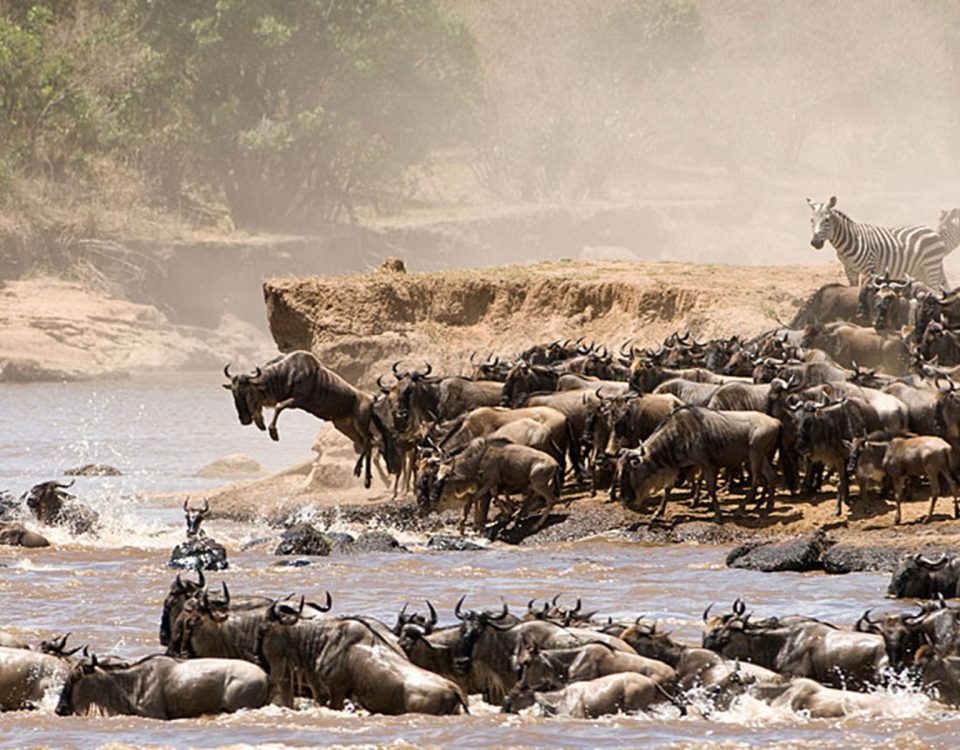
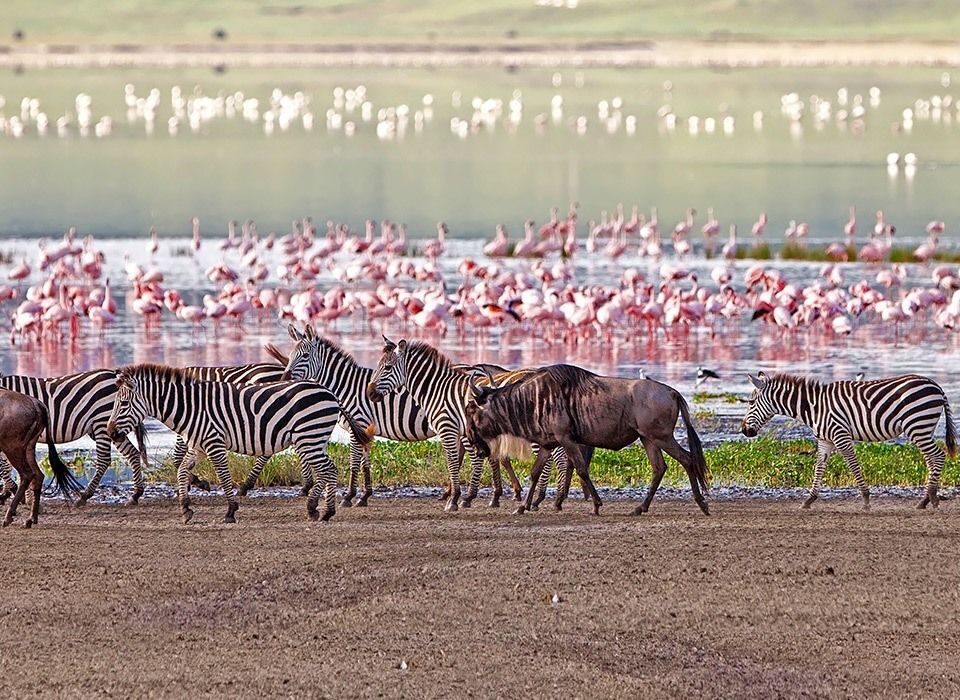
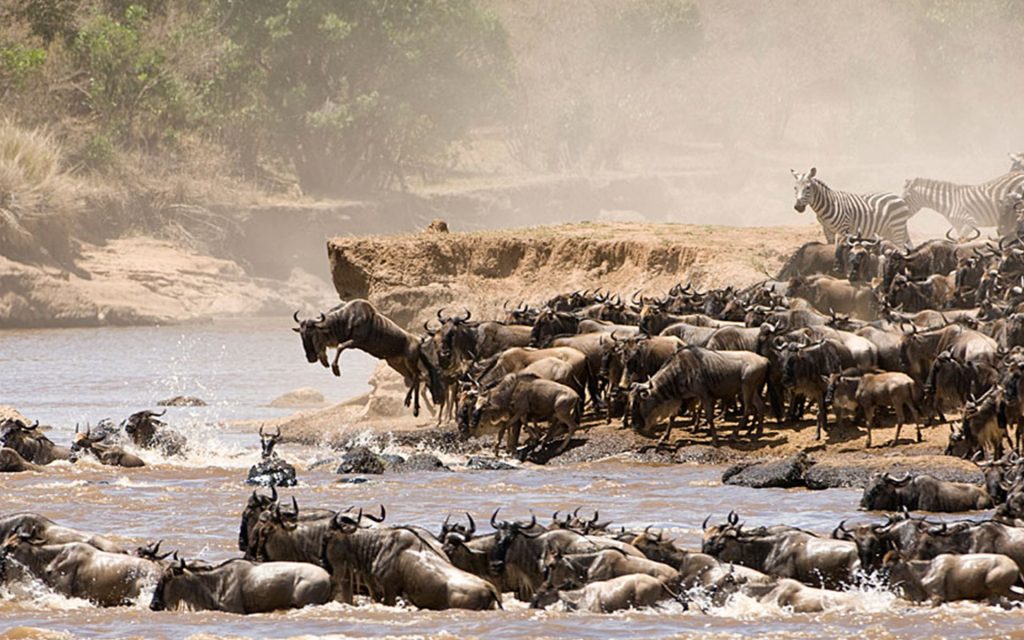
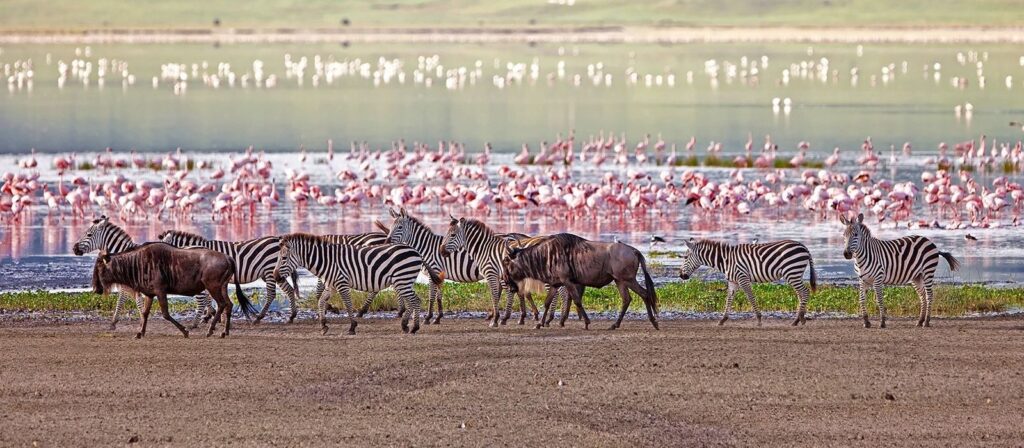
Approximately 25,000 large animals, mostly ungulates, live in the crater. Large animals in the crater include the black rhinoceros (Diceros bicornis), the local population of which declined from about 108 in 1964-66 to between 11-14 in 1995, the African buffalo or Cape buffalo (Syncerus caffer), and the hippopotamus (Hippopotamus amphibius). There also are many other ungulates: the blue wildebeest (Connochaetes taurinus) (7,000 estimated in 1994), Grant's zebra (Equus quagga boehmi) (4,000), the common eland (Taurotragus oryx), and Grant's (Nanger granti) and Thomson's gazelles (Eudorcas thomsonii) (3,000). Waterbucks (Kobus ellipsiprymnus) occur mainly near Lerai Forest. There are no topis (Damaliscus lunatus), oribis (Ourebia oribi), or crocodiles (Crocodylus niloticus). Impala (Aepyceros melampus) are absent because the open woodland they prefer does not exist. Giraffe also are absent, possibly because of a lack of browse species. Tanzanian cheetah (Acinonyx jubatus raineyii), East African wild dog (Lycaon pictus lupinus), and African leopard (Panthera pardus pardus) are rarely seen.
Although thought of as "a natural enclosure" for a very wide variety of wildlife, 20 percent or more of the wildebeest and half the zebra populations vacate the crater in the wet season. Buffalo (Syncerus caffer) and eland do the opposite. Their highest numbers are during the rains.
Lake Magadi, a large lake in the southwest of the crater, is often inhabited by thousands of mainly lesser flamingoes