Ngorongoro Crater
August 30, 2016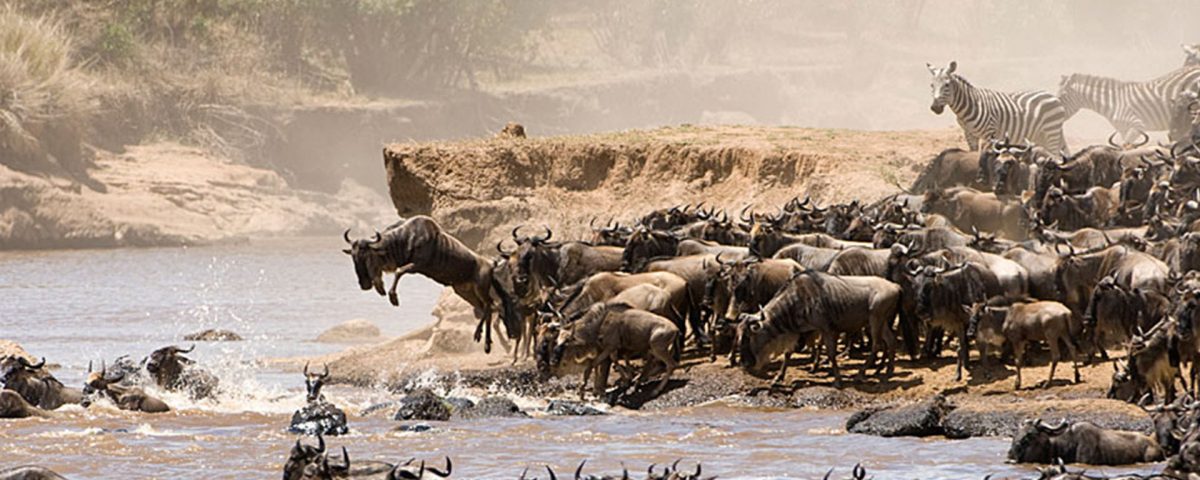
History
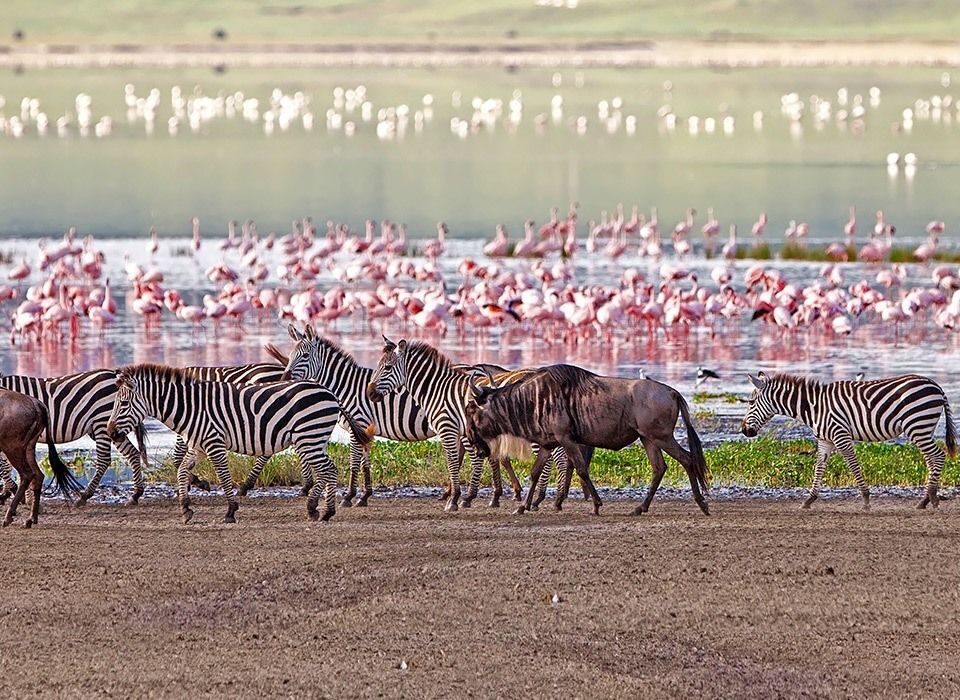
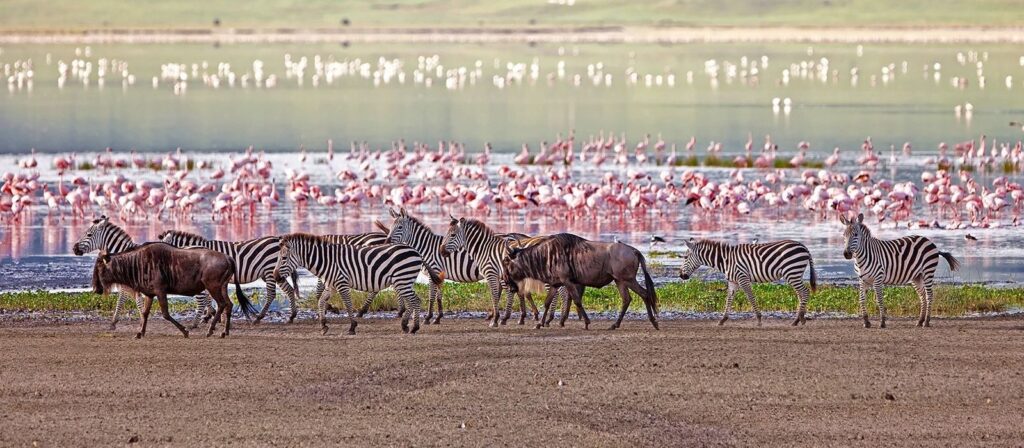
The Serengeti National Park is a Tanzanian national park in the Serengeti ecosystem in the Mara and Simiyu regions. It is famous for its annual migration of over 1.5 million white bearded (or brindled) wildebeest and 250,000 zebra and for its numerous Nile crocodile and honey badger.
The Maasai people had been grazing their livestock in the open plains of eastern Mara Region, which they named "endless plains", for around 200 years when the first European explorer, Austrian Oscar Baumann, visited the area in 1892. The name "Serengeti" is an approximation of the word used by the Maasai to describe the area, siringet, which means "the place where the land runs on forever".
Geography
The park covers 14,750 square kilometres (5,700 sq mi) of grassland plains, savanna, riverine forest, and woodlands. The park lies in northwestern Tanzania, bordered to the north by the Kenyan border, where it is continuous with the Maasai Mara National Reserve. To the southeast of the park is the Ngorongoro Conservation Area, to the southwest lies Maswa Game Reserve, to the west are the Ikorongo and Grumeti Game Reserves, and to the northeast and east lies the Loliondo Game Control Area. Together, these areas form the larger Serengeti ecosystem.
The park is usually described as divided into three regions:-
Serengeti plains: the almost treeless grassland of the south is the most emblematic scenery of the park. This is where the wildebeest breed, as they remain in the plains from December to May. Other hoofed animals - zebra, gazelle, impala, hartebeest, topi, buffalo, waterbuck - also occur in huge numbers during the wet season. "Kopjes" are granite florations that are very common in the region, and they are great observation posts for predators, as well as a refuge for hyrax and pythons.
Western corridor: the black clay soil covers the swampy savannah of this region. The Grumeti River is home to Nile crocodiles, colobus monkeys, hippopotamus, and martial eagles. The migration passes through from May to July.
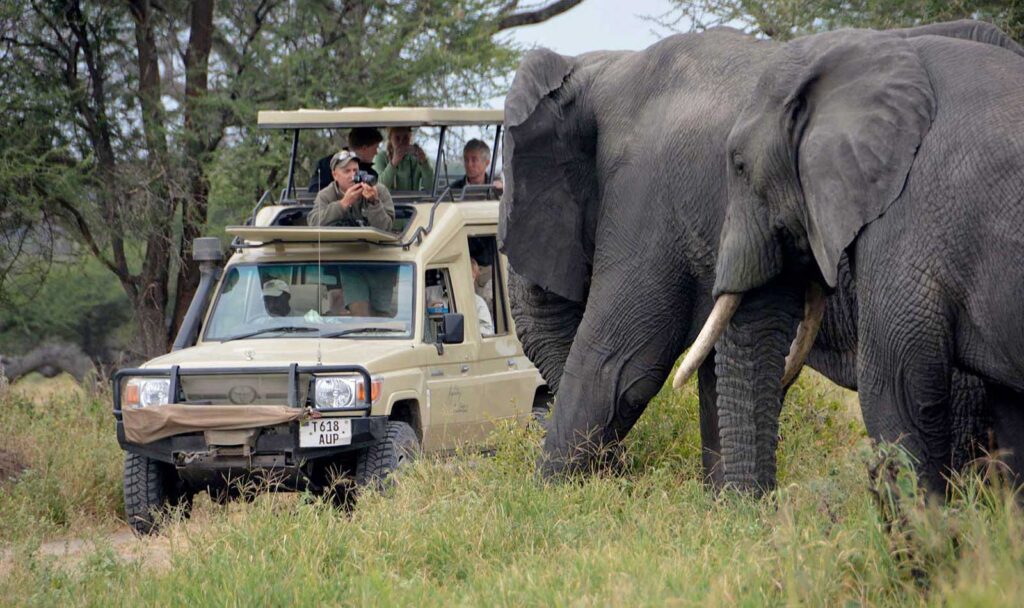
Northern Serengeti: the landscape is dominated by open woodlands (predominantly Commiphora) and hills, ranging from Seronera in the south to the Mara River on the Kenyan border. Apart from the migratory wildebeest and zebra (which occur from July to August, and in November), the bushy savannah is the best place to find elephant, giraffe, and dik dik.
Wildlife
In addition to the migration of ungulates, the park is well known for its healthy stock of other resident wildlife, particularly the "big five", named for the five most prized trophies taken by hunters:
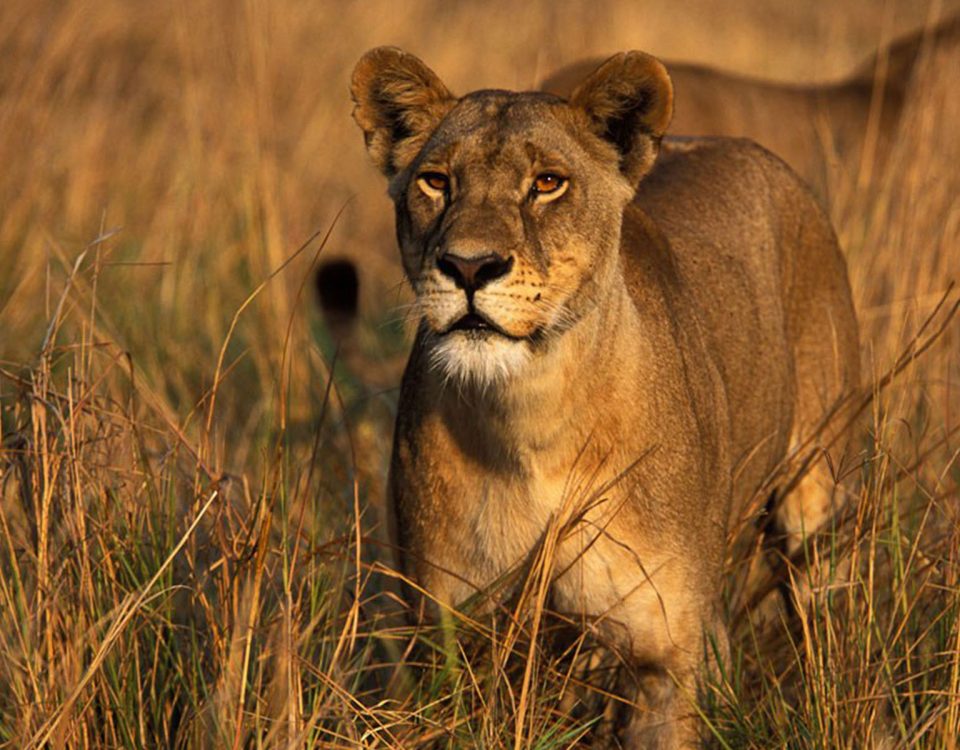
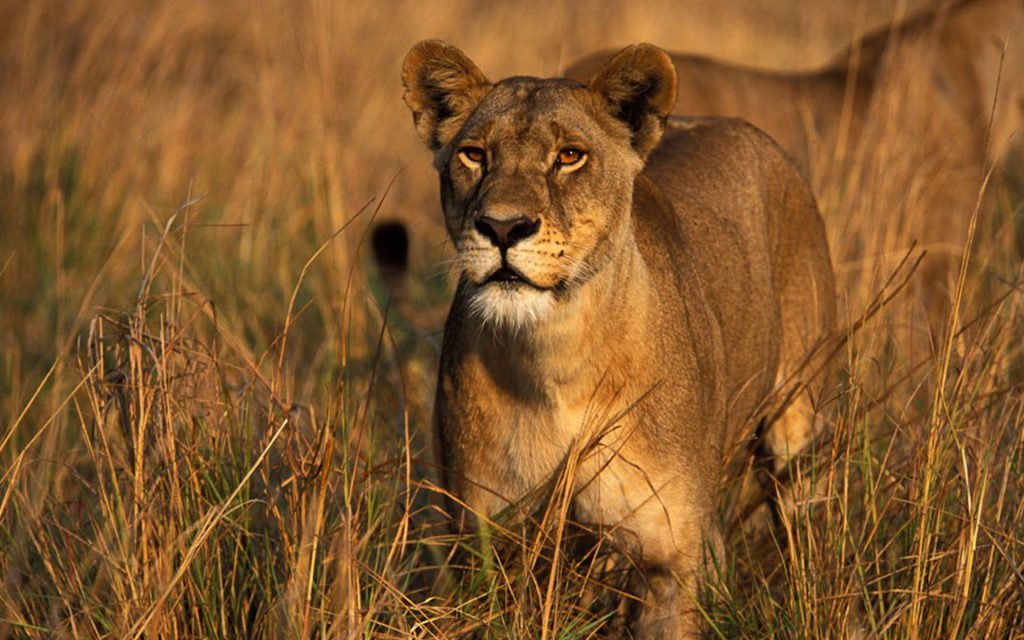
Masai lion: the Serengeti is believed to hold the largest population of lions in Africa due in part to the abundance of prey species. More than 3,000 lions live in this ecosystem.
African leopard: these reclusive predators are commonly seen in the Seronera region but are present throughout the national park with the population at around 1,000.
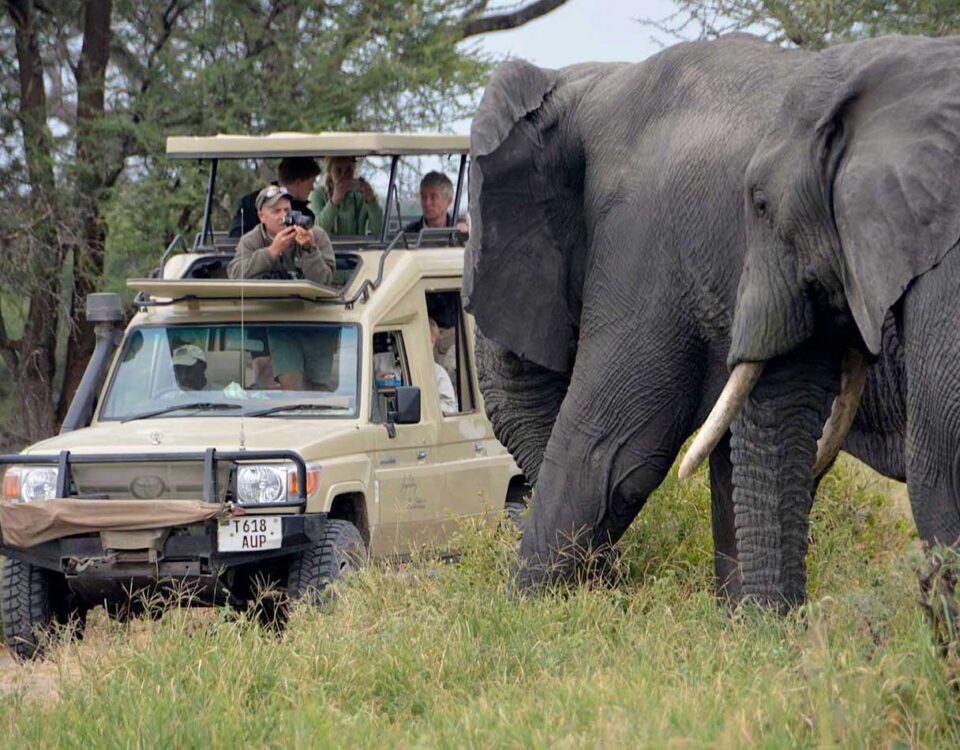
African bush elephant: the herds are recovering from population lows in the 1980s caused by poaching and are largely located in the northern regions of the park.
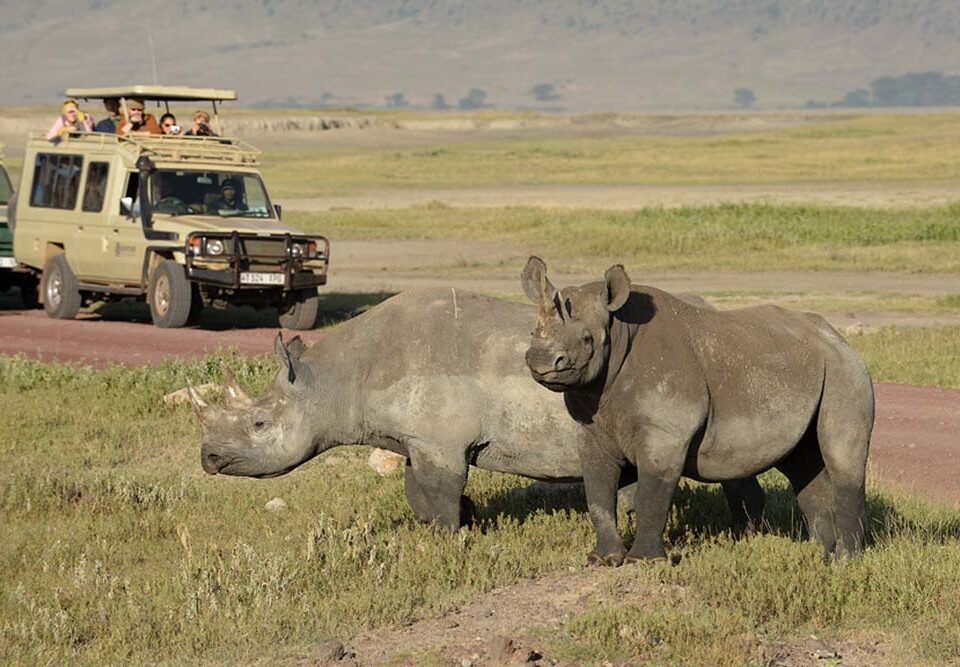
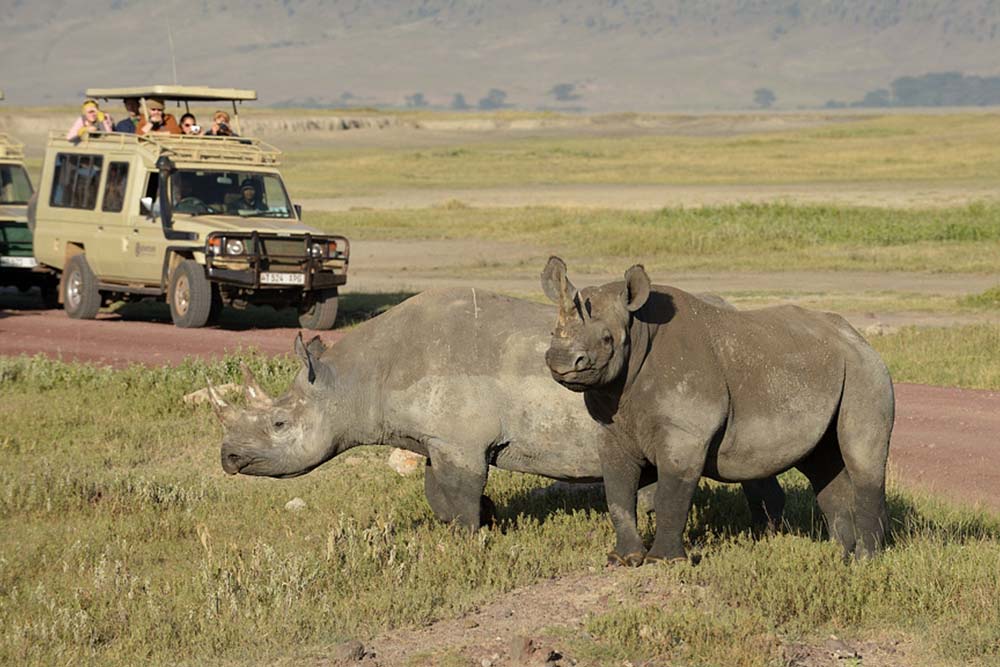
Eastern black rhinoceros: mainly found around the kopjes in the centre of the park, very few individuals remain due to rampant poaching. Individuals from the Masai Mara Reserve cross the park border and enter Serengeti from the northern section at times.
African buffalo: still abundant and present in healthy numbers.
This park also supports many other species, including the Thomson's and Grant's gazelle, wildebeest, topi, eland, waterbuck, spotted hyena, striped hyena, baboon, impala, East African wild dog, and Masai giraffe. It also boasts about 500 bird species, including ostriches, secretary bird, kori bustards, crowned cranes, marabou storks, martial eagles, lovebirds, and many species of vultures.